































In their 1st major campaign together, the National Trust, the RSPB and WWF are urging everyone in society to come together to halt the destruction of UK nature and take urgent action to Save Our Wild Isles, including the Isle of Wight.
Millions of people from all walks of life discovered the wonder but also the fragility of UK nature through the 1st episode of the new ‘Wild Isles’ series, narrated by Sir David Attenborough, which aired on television last night.
Now, 3 of the UK’s largest conservation charities, with 8.5million combined members, are using their collective voice to call on all sectors of society across the UK to act. The charities say there is just enough of the UK’s natural world still left to save, and if everyone – the public, communities, businesses and leaders all urgently work together to aid its recovery, nature can begin to thrive again within the next few decades.


The Save Our Wild Isles campaign will engage the UK public and inspire them to act. The charities are calling on the public to show their love of nature by committing to ‘Go Wild Once a Week’; that could mean making space for nature in our neighbourhoods by planting wildflower seeds in a window box or green space, eating less meat or getting involved in local community projects, or joining the charities in urging our leaders to act now for nature’s recovery.
Here on the Isle of Wight, the National Trust has been busy helping nature…
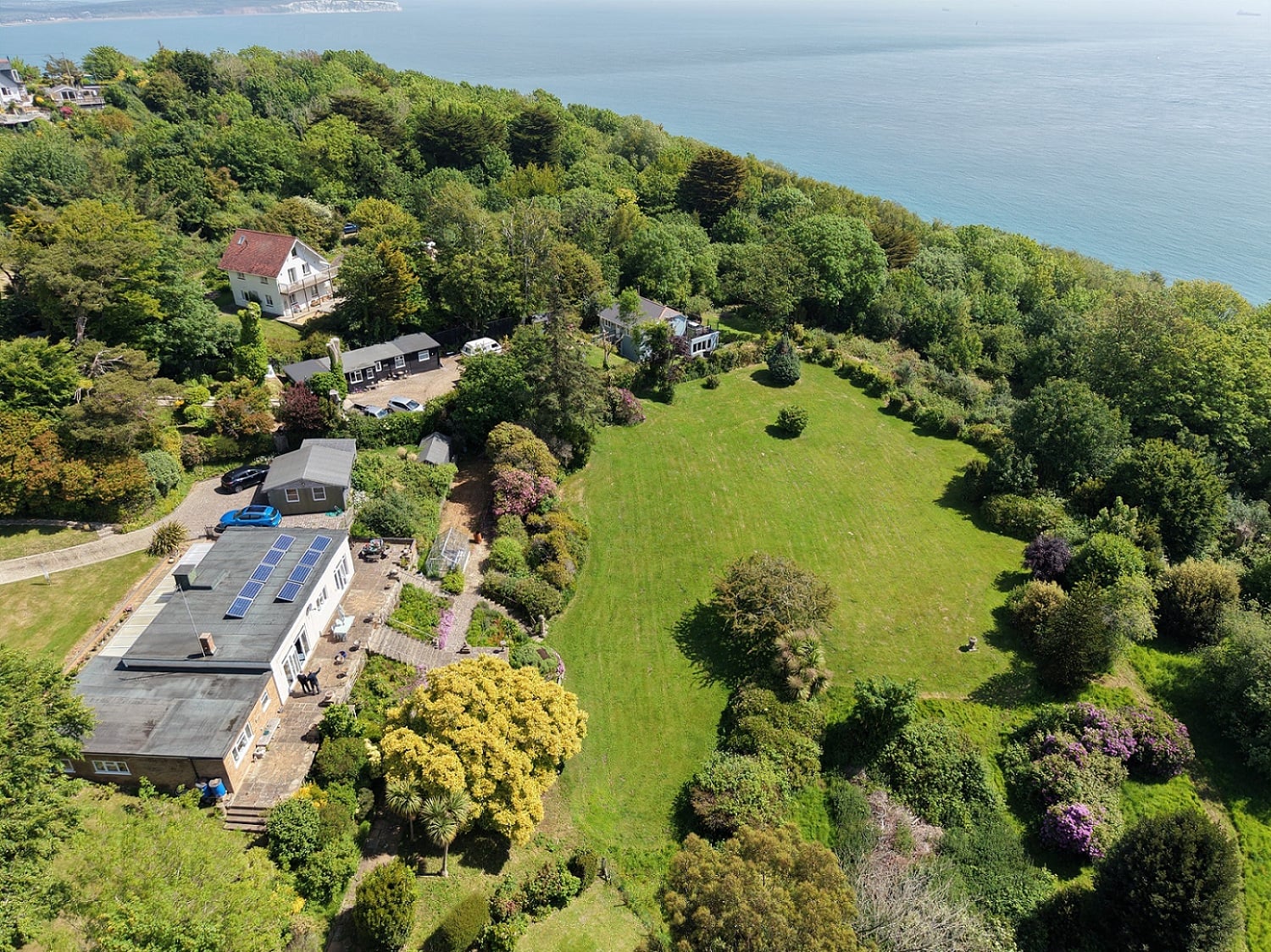
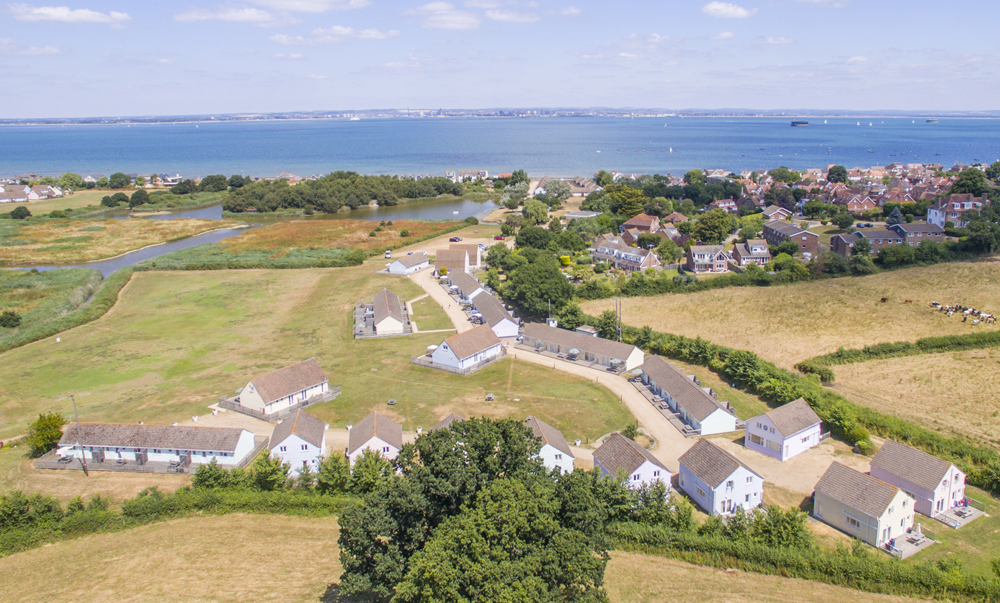
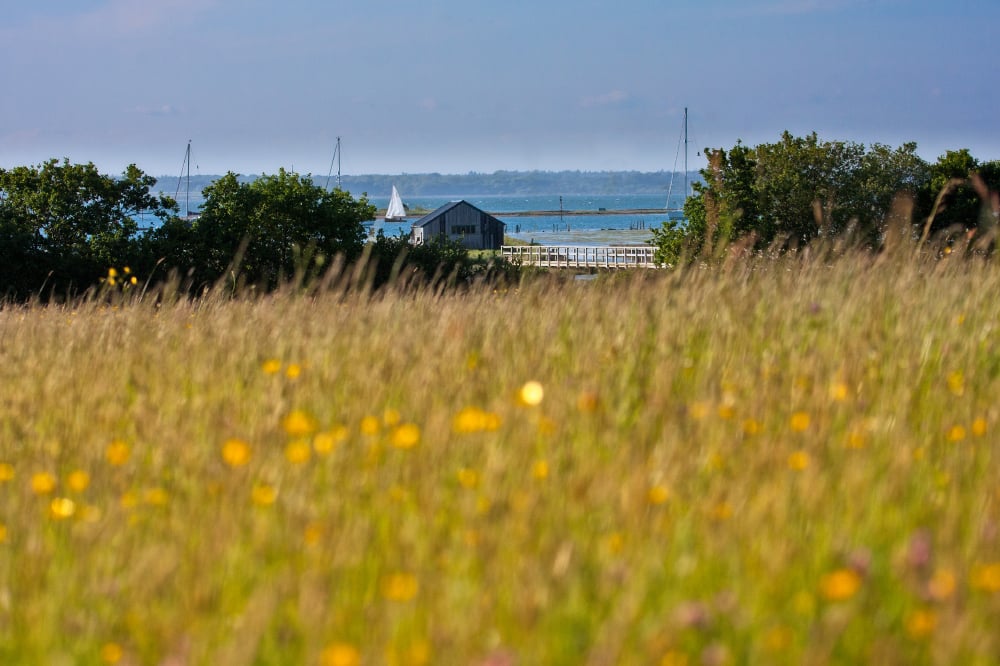
The National Trust took Dunsbury Farm into its care in 2015. Since then they’ve set about evolving it from intensive farming to an increasingly wildlife-rich landscape of coastal grassland, scattered scrub and woodland. They began by sowing low-input cereals to help repair the land and reduce the levels of artificial nutrients. They then left the fields to regenerate and the deep-rooting plants have broken up the compacted soil. This has allowed worms to recolonise with meadow grasses and flowers creeping in as well.
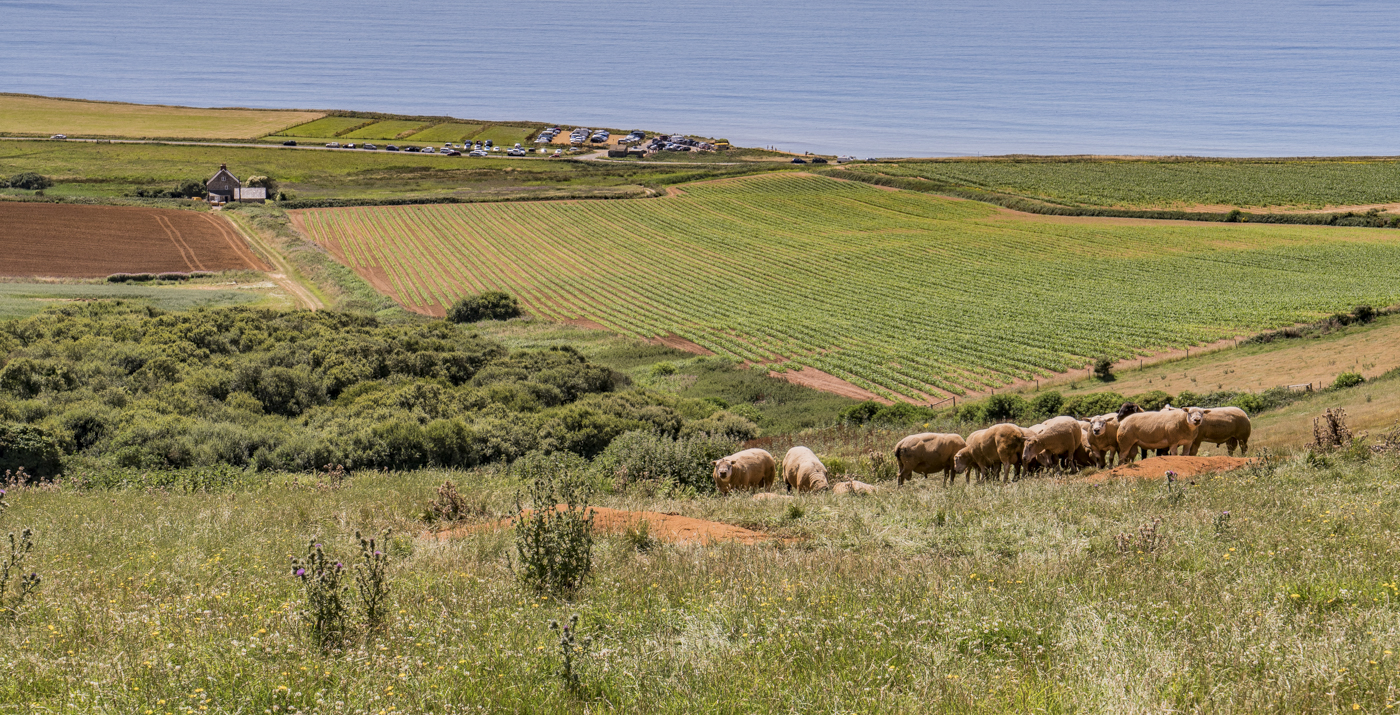
Cattle have been grazing the land and help create a natural balance between open grassland, scrub and woodland. They also distribute wildflower seeds through their coats and dung, encouraging insects.

The work has led to a wide variety of birds (including the endangered short-eared owl) hunting for the small mammals that are colonising the naturally restoring arable fields. The hope is that more skylarks, stonechats, yellowhammers and swallows will flock to the area too.
Robin Lang, Countryside Manager, National Trust, Isle of Wight:
“We look after nearly 5,500 acres (2,200 hectares) of stunning countryside on the Isle of Wight. This includes some the most beautiful and wildlife-rich coast, downland, woodland, meadow and estuary on the Island. These habitats are home to a wide range of wildlife and in recent years we’ve been taking up opportunities to look after them even better or expand priority habitats to make them bigger, better and more joined up.
“At Newtown we’re grazing flower-rich meadows rather than hay cutting, to preserve insects and small mammals. In the west part of the Island and near Ventnor we have a staged programme to restore 700acres (280 hectares) of arable land to mixed grassland, scattered scrub and woodland which will be grazed by a range of farm animals. We’re also planning to do some wetland restoration in some of these areas, reversing the effects of past deep drainage for arable farming and reducing local flooding and surface water runoff. It’s really exciting to see how wildlife is already responding to these changes and to know that we are making positive steps to increase biodiversity on the Island after at least 80 years of decline – both for the long term benefits of nature and for people to experience. In some places we will be creating more paths and bridleways to provide more off-road circular routes.”
At Newtown, National Trust rangers managed the centuries-old flower meadows with a traditional hay cut late in the season. This controlled the vigorous plants and reduced soil fertility, allowing flowers to thrive.

But it left wildlife, such as field voles and common toads, without cover from predators. It also reduced nectar for insects, which in turn affected the bats that feed on them. So, now, they use Galloway cattle and Hebridean sheep to graze the meadows in summer and autumn, rather than cutting. It has allowed native hay-meadow plants, such as the corky-fruited water-dropwort, the chance to flower and spread. Insects, including the rare gold-case-barer moth, are also flourishing.
The team can see that voles and mice are benefitting too, now that they can make networks of tunnels in the patches of thicker vegetation.
For more information and to Save our Wild Isles visit www.saveourwildisles.org.uk.







There was supposed to be a 6th episode of the Attenborough series highlighting the damage done to our countryside in recent years. It was filmed but the BBC will not be showing it.
First they came for the Football pundits.
Then they came for the Wildlife presenters. . .
If the Government were allowed or truly wanted to end all but absolutely necessary newcomers filling the UK and taking homes, eventually wanting cars, a school space, a hospital space, then thousands of acres of the UK’s land would NOT need to be built upon.
As it is, people on the Island naively think that such ‘people movement’ doesn’t affect us much, but it does.
Many of the people who come here to live recently aren’t newcomers to the UK, but indigenous folk, who have lived in areas all their lives, but now are feeling strangers in their home towns and villages and so move here where they can feel ‘more at home’ than where they have come from.
This puts pressure on building our beautiful Island to ruination.
THINK.
You are absolutely right, I moved here 11 years ago from Leicester, officially the first UK city where British people are now a minority. I felt like I was living in a foreign country so after 35 years in the same place I decided to move. At least here most people speak English, although that will probably not last much longer either.
Hi Darren.
We know it’s you.
Muddled thinking from the bigoted Searle as usual. Just a load of racist nonsense. You are in a privileged position because of an accident of birth. Walk a mile in someone else’s shoes for once and see how you feel …
“Searle’s” post appeared with 10 upvotes already on it. Tells you all you need to know about who “Searle” actually is.
Being a realist does not make a person a racist. If someone wants to live and work in our country then there are correct ways to so.They do not arrive on a beach with no identification and then demand that we look after them, after all the UK is not the first safe country they arrived in. Any application for asylum must be applied for in the first safe country they escape to. To be eligible they must have left their country and be unable to go back because they fear persecution. Albania for instance Is a safe country therefore why arrive into the UK by dinghy.
OK.
So how come the first comment that appears is one of Searle’s off-topic racist rants, despite me posting on topic 4 hours ago.
And it’s pre-loaded with 10 upvotes.
Very suspicious.
For a start it’s not off topic and secondly it’s not racist – pointing out the truth might be inconvenient for certain ideologies but you can’t seriously throw open borders and invite in the world then cry to ‘save nature’ in the same breath
First, the world has been ruined by us and there is not way back. Second, just wait until the real population movements start as global warming worsens.